
A No-Spend Weekend Plan
A no-spend weekend plan: clear rules, free activities, pantry meals, temptation removal, and a tone that feels like a treat, not punishment.


How to Rebuild an Emergency Fund After a Setback
Rebuild an emergency fund after a setback with a small first target, automatic transfers, a pause list, and a recalculated timeline over time.

Teaching Teens to Budget Their First Paycheck
Teach teens to budget their first paycheck: gross versus net, withholding basics, a three-part split, a first account, and avoiding lifestyle creep.

How to Talk to Your Partner About Money
Talk to your partner about money in small conversations: a fixed money meeting, shared goals, account structures, scripts, and when to seek help.

Reducing Monthly Bills Without Canceling Everything
Reduce monthly bills without canceling everything: audit, negotiate, right-size, bundle, and time annual versus monthly billing decisions at home.

How to Save on Kids' Activities
Save on kids' activities with used gear, fewer commitments, carpool and shared costs, payment plans, and free community options every season.

How Big Should Your Emergency Fund Be?
How big should an emergency fund be? Compare three, six, and nine months of essential expenses by income stability, family size, and fixed costs.

Where to Keep an Emergency Fund
Where to keep an emergency fund: liquidity, separation from daily spending, savings accounts, money market options, and what to avoid at home.

How to Budget With Irregular Income
Budget with irregular income using a baseline month, priority order, a slow-month buffer, and a holding account that smooths deposits every month.

Sinking Funds for Family Expenses
Sinking funds for family expenses: what they are, which categories to use, monthly allocation, and examples for holidays and car repairs every month.

Family Vacation Budget Guide
A family vacation budget guide covering transport, lodging, food, activities, and a buffer, plus a daily spending number and pre-trip savings.

How to Cut Recurring Subscriptions
Cut recurring subscriptions: inventory every charge, use a 30-day test, compare annual and monthly plans, and track renewals to avoid creep.

Build an Emergency Fund on a Tight Budget
Build an emergency fund on a tight budget: a starter target, small automatic transfers, where to find money, and a realistic timeline at home.
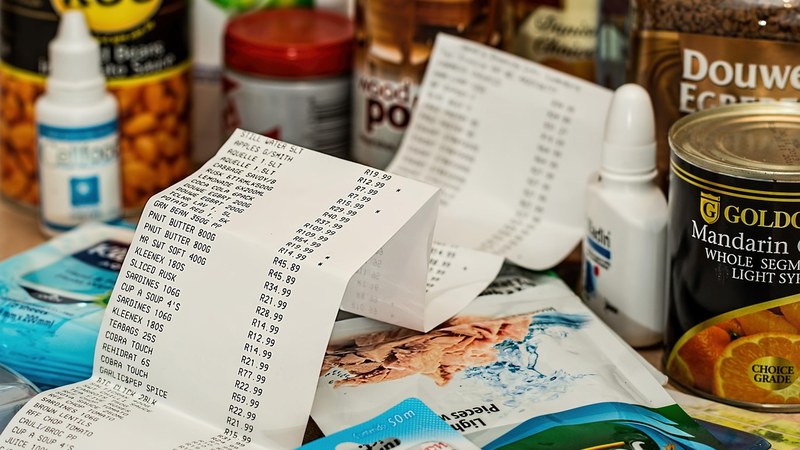
Grocery Budget Tips for Families
Grocery budget tips for families: unit price, meal planning, a shopping list, store brands, less takeout, and a realistic weekly grocery number.

Back-to-School Budget Guide
A back-to-school budget guide: category caps, reuse and hand-me-downs, secondhand, needs versus wants, timing, and a simple total for parents.

Holiday Gift Budget Plan
A holiday gift budget plan: a gift list, per-person caps, early buying, homemade and experience gifts, tracking, and no January regret every year.

Cash Envelope System for Families
A cash envelope system for families: which categories work in cash, withdrawal cycles, digital alternatives, weekly review, and cash safety.

Allowance Systems for Kids
Allowance systems for kids: fixed, chore-linked, or hybrid, spend/save/share, amounts by age, tracking, and avoiding daily power struggles at home.

Teaching Kids About Money by Age
Teaching kids about money by age: coins and jars at 4–6, goals and price checks at 7–9, plans and earning at 10–12, plus family modeling every week.

How to Save for College Without Panic
Save for college without panic: estimate a target, use a time horizon, automate transfers, and avoid fear-driven decisions over time and start now.