
How to Share Mental Load with a Partner
Share the mental load by assigning domains, not tasks. Inventory the invisible work, hold a weekly check-in, and change the default parent at home.


Family Travel Day Checklist
A family travel day needs a timeline, documents in one pouch, snacks, and a separate first-night bag. Plan the arrival, not just the departure.

How to Plan a Family Weekend with No Overbooking
Plan one anchor per day, protect an open block, and plan the return home. A good weekend needs empty space, not a packed itinerary for everyone.

Kids' Sports and Activities: Managing the Weekly Load
Every activity costs time, driving, and recovery. Audit the load, set a weekly cap, and protect one empty evening and one open weekend block.
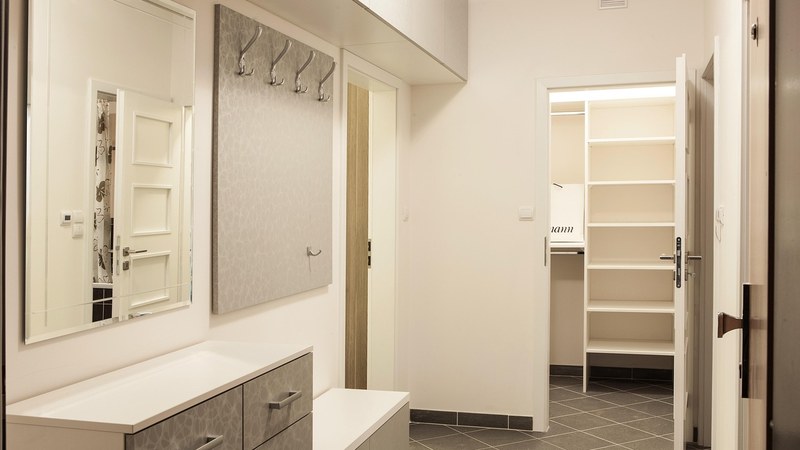
The Family Launch Pad: A Simple Exit Routine
A launch pad at the exit holds what leaves the house. One hook and basket per person, loaded the night before, cuts the morning search before school.

How to Handle Sick Days Without Derailing the Week
A sick day is a schedule event. Protect health, childcare, and communication, then run a minimum viable week instead of the normal schedule.

Screen-Free Evenings: A Routine for Busy Families
Build a screen-free evening that lasts: a charging station, a gradual plan, an activity menu, and parents who model the same boundary every night.

Keeping Track of School Papers and Forms
Give every school paper one destination. Use one inbox, a ten-minute weekly review, a digital backup, and a folder each child can manage at home.

Carpool Schedule Tips for School and Activities
A carpool needs a route, a rotation, safety seats, and a backup. Put the driving week in writing and confirm who has each child at every handoff.
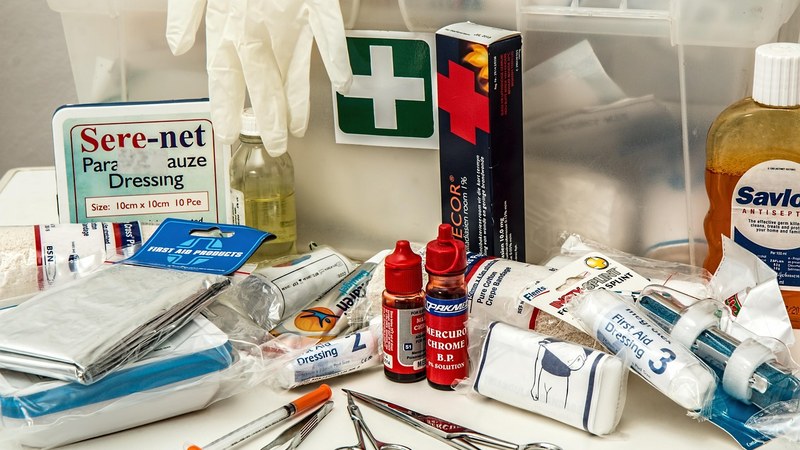
Family Emergency Preparedness Plan in One Afternoon
An emergency plan can be built in one afternoon. Cover the likely scenarios, one contact card, three meeting spots, and a basic 72-hour kit.

How to Start a Chore System Without Nagging
Start a chore system that runs without nagging: three chores per child, one visible chart, and a check-in question instead of repeated reminders.
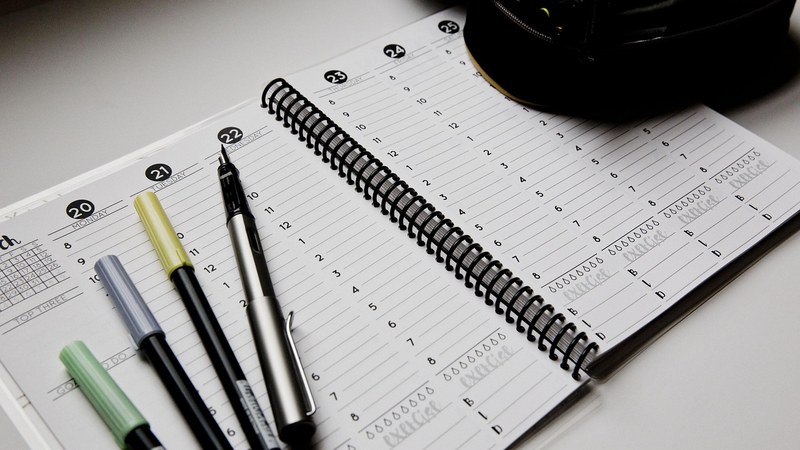
The Sunday Reset: 45 Minutes to a Calmer Week
A 45-minute Sunday reset for the week: calendar, meals, and the launch pad. End with ten minutes of family prep so everyone owns one task each week.

The Babysitter Handoff Checklist Every Parent Needs
Give the babysitter one clear page: contacts, routines, rules, and emergency information. A good handoff makes the evening calmer for everyone.

Family Calendar Systems: Paper, Digital, or Both?
Paper, digital, or both? Pick one source of truth, post a weekly view, and run a short Sunday sync so the whole family sees the same plan every week.
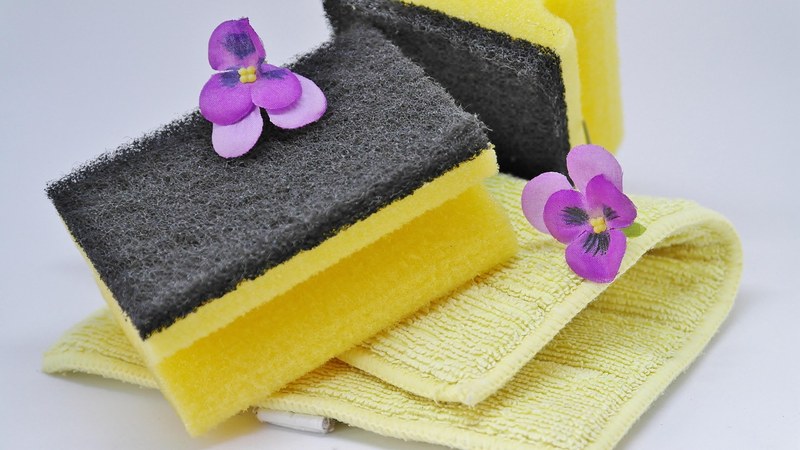
How to Divide Household Chores Fairly
Divide chores by ownership, not task count. List the invisible work, set a standard, and review the split once a month to keep it fair for both adults.

Back-to-School Checklist for Parents
A four-week back-to-school checklist for paperwork, supplies, health appointments, and sleep. Make the first week predictable instead of improvised.

Family Vacation Packing Checklist by Trip Type
Pack by trip type: beach, mountain, or city. Use a family matrix and a separate first-night bag so the first evening does not start with a search.
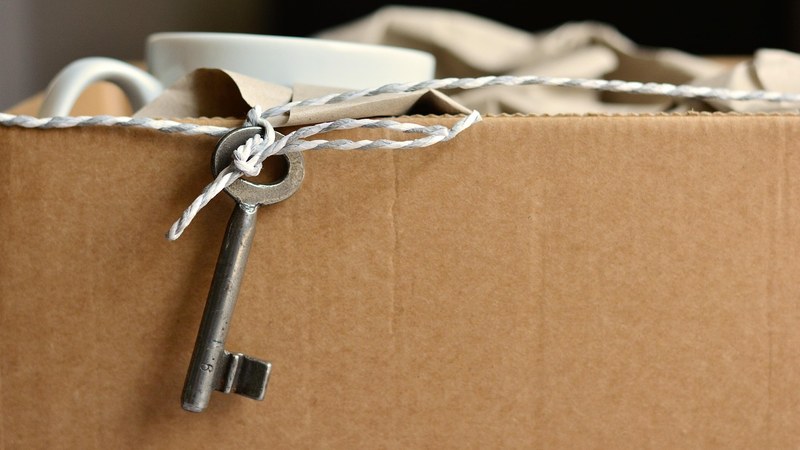
Moving House with Kids: A Room-by-Room Checklist
A six-week moving plan for families with children. Pack room by room, label with an inventory, and set up beds first on the first night in the new home.
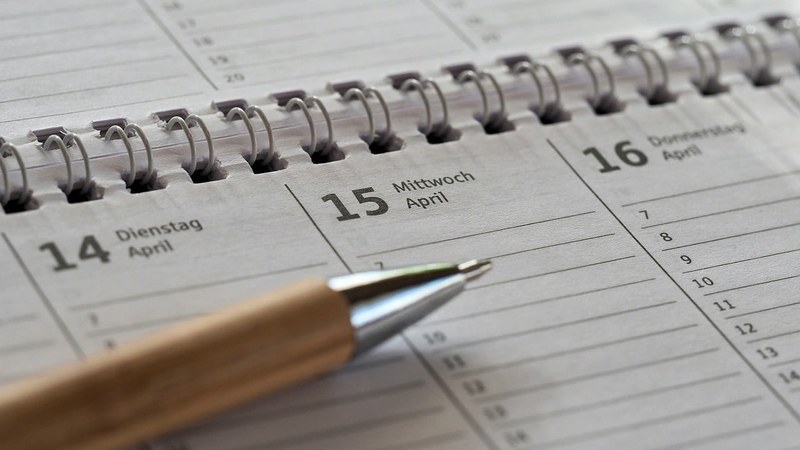
How to Build a Family Command Center That Actually Gets Used
Most command centers fail because they sit in the wrong place. Build a three-zone wall that turns paper into action and keeps the week visible at a glance.

A 20-Minute Weekly Family Meeting That Sticks
A family meeting works when it has a fixed agenda, clear roles, and one decision. Here is a 20-minute version that fits a school night and still ends on time.